
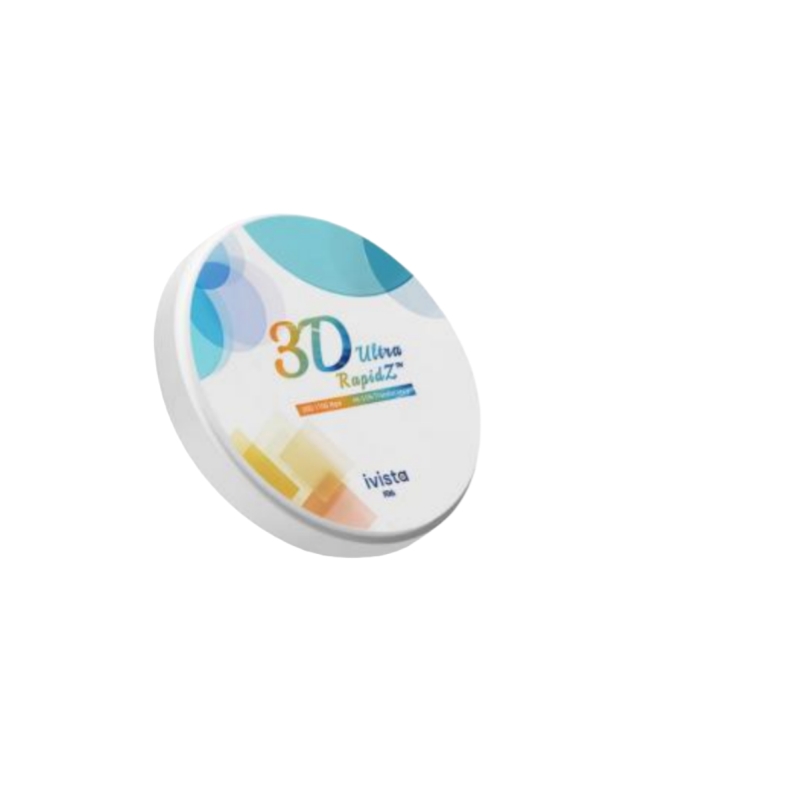
Rapid sintering
zirconia material
In modern dentistry, material selection plays a critical role in the quality, efficiency, and esthetics of restorations. Dental laboratories today face a wide variety of options, but zirconia has quickly become one of the most trusted materials for crowns, bridges, and full-arch cases. With the development of advanced multilayer zirconia and rapid sintering technologies, labs can now deliver faster, stronger, and more natural-looking results than ever before.
Why Zirconia is the Preferred Choice
Zirconia blocks are widely used in CAD/CAM systems because they combine high strength with natural esthetics. Unlike traditional porcelain-fused-to-metal restorations, zirconia provides biocompatibility, resistance to wear, and a lifelike translucency that closely resembles natural teeth. Dental professionals appreciate zirconia’s versatility—it can be used for single crowns, implant abutments, or complex multi-unit bridges.
Another major benefit is cost-effectiveness. Compared to some ceramic alternatives, zirconia offers an excellent balance between affordability and performance, making it a reliable choice for both laboratories and patients.
The Advantage of Multilayer Zirconia Blocks
One of the most significant innovations in recent years is the introduction of multilayer zirconia blocks. These blocks are engineered with gradual transitions in color, translucency, and strength from the cervical to the incisal areas. This layered design mimics the structure of natural teeth, reducing the need for manual staining and layering.
For dental technicians, multilayer zirconia means less finishing time and more consistent esthetic outcomes. For patients, it results in restorations that look and feel more natural. It’s a win-win solution that improves both productivity and patient satisfaction.
Rapid Sintering: Saving Time Without Compromising Quality
Traditional zirconia sintering cycles often take 6–10 hours, which can delay the delivery of restorations. However, the introduction of rapid sintering zirconia blocks has transformed the workflow in dental laboratories. These blocks can be fully sintered in as little as 20 minutes when used with compatible high-speed furnaces.
The benefits of rapid sintering include:
- Faster turnaround times – enabling same-day restorations in some cases.
- Higher productivity – labs can process more cases in a shorter time frame.
- Energy efficiency – shorter furnace cycles reduce power consumption.
- Consistent quality – advanced formulations ensure that fast sintering does not compromise strength or esthetics.
For busy laboratories competing on efficiency and precision, rapid sintering zirconia offers a clear advantage.
Balancing Strength and Translucency
Dental zirconia continues to evolve to meet the dual demands of strength and esthetics. Modern multilayer zirconia blocks achieve flexural strengths ranging from 800 MPa in the enamel layer to over 1100 MPa in the cervical layer. At the same time, translucency levels of 44–51% allow for a lifelike, natural appearance that blends seamlessly with surrounding teeth.
This balance ensures restorations are not only durable but also highly esthetic, reducing the need for compromise between function and beauty.
Final Thoughts: Choosing the Right Material for Your Lab
For dental laboratories, selecting the right material means finding the perfect balance between efficiency, durability, and esthetics. Zirconia blocks—especially multilayer and rapid sintering varieties—offer an excellent solution to meet the growing demands of modern dentistry.
By adopting these advanced materials, labs can deliver restorations faster, achieve more consistent results, and provide patients with natural-looking smiles that last. As dentistry continues to evolve, zirconia remains at the forefront, driving both innovation and patient satisfaction.

 patient beds online