
Dental education has evolved tremendously with the integration of high-fidelity simulation systems. These advanced training setups provide dental students with a realistic and practical environment to develop essential clinical skills before working on live patients. At the core of this training lies the dental simulation unit, complete with components such as overhead lighting, an air turbine handpiece, a 3-way syringe, a vacuum pump, saliva suction tips, and most importantly, a phantom head equipped with replaceable dental model teeth. This setup allows students to gain confidence, precision, and proficiency under close-to-real-life conditions.
In a typical training session, two dental students often work together. One student operates the high-speed air turbine handpiece to perform intricate tasks like tooth preparation, while the other assists by managing the disposable dental suction tips to prevent saliva and debris from obstructing the workspace or being swallowed. This collaborative approach mimics real clinical practice and teaches students the value of teamwork in patient care.
The Foundation: Basic Tooth Preparation Model
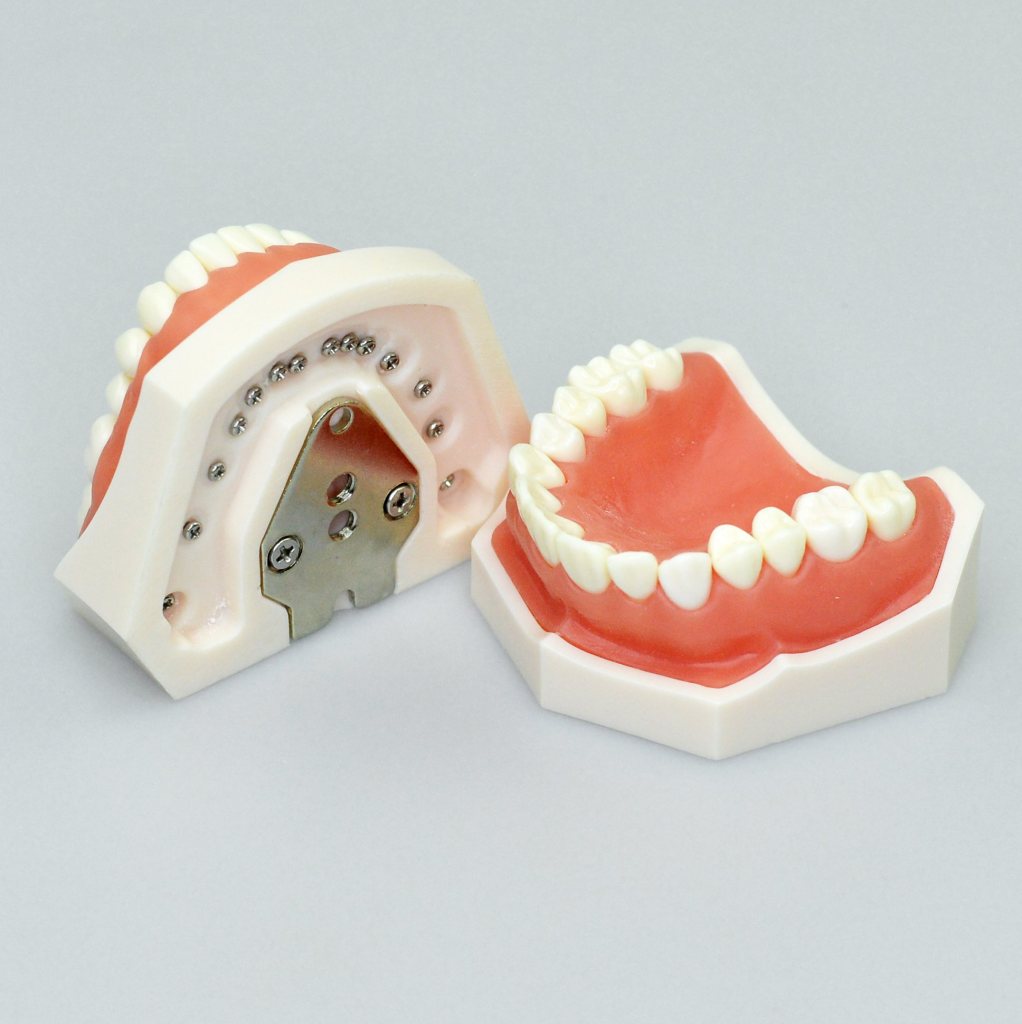
The cornerstone of simulation-based training is the basic tooth preparation model, a replaceable module that can be attached securely into the phantom head. This model replicates natural tooth anatomy and includes an articulator that enables mandibular movements, simulating human jaw functions. Students can adjust the occlusion, practice intraoral ergonomics, and fine-tune their hand coordination.
This model is specifically designed for training procedures such as:
- Cavity preparation for composite resin fillings.
- Occlusal adjustment to restore aesthetics and function.
- Drilling and shaping using a variety of burs.
- Polishing and finishing restorations with brushes and polishers.
By mastering these skills, students can create restorations that are not only durable but also cosmetically pleasing and functionally sound.
Implant Training Model: A Gateway to Advanced Procedures
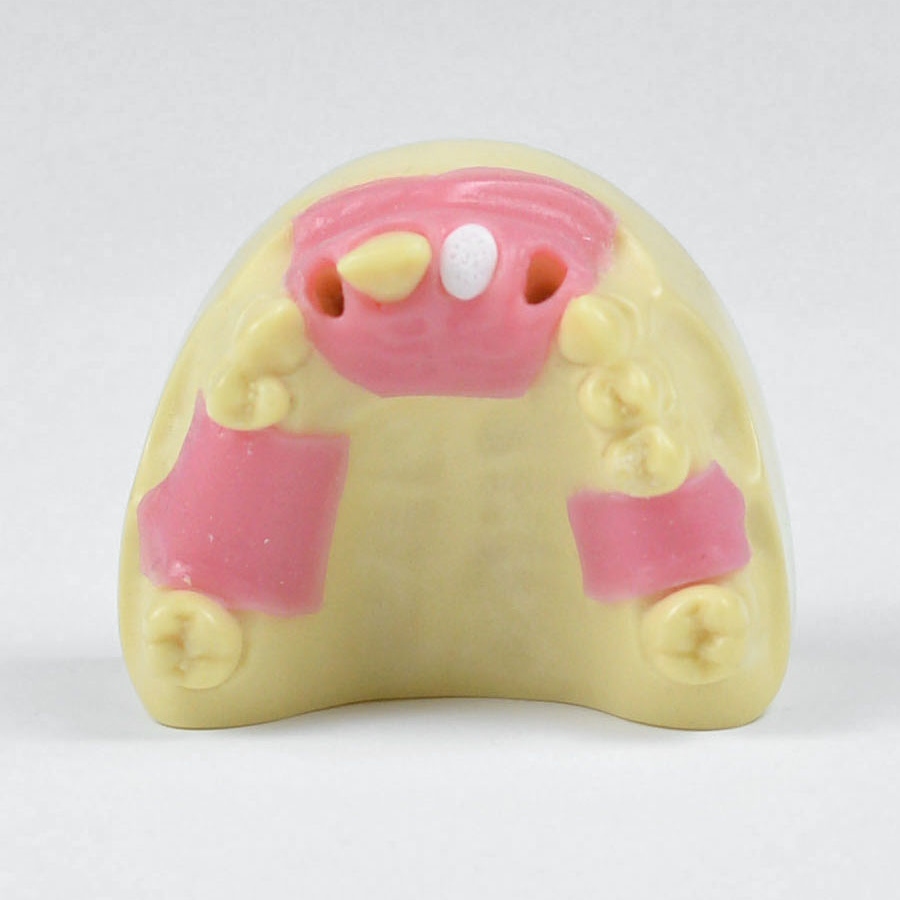
Beyond restorative procedures, dental simulation also includes an implant dental model—a sophisticated training tool that simulates real-world surgical and prosthodontic scenarios. Students can practice using a 20:1 implant handpiece
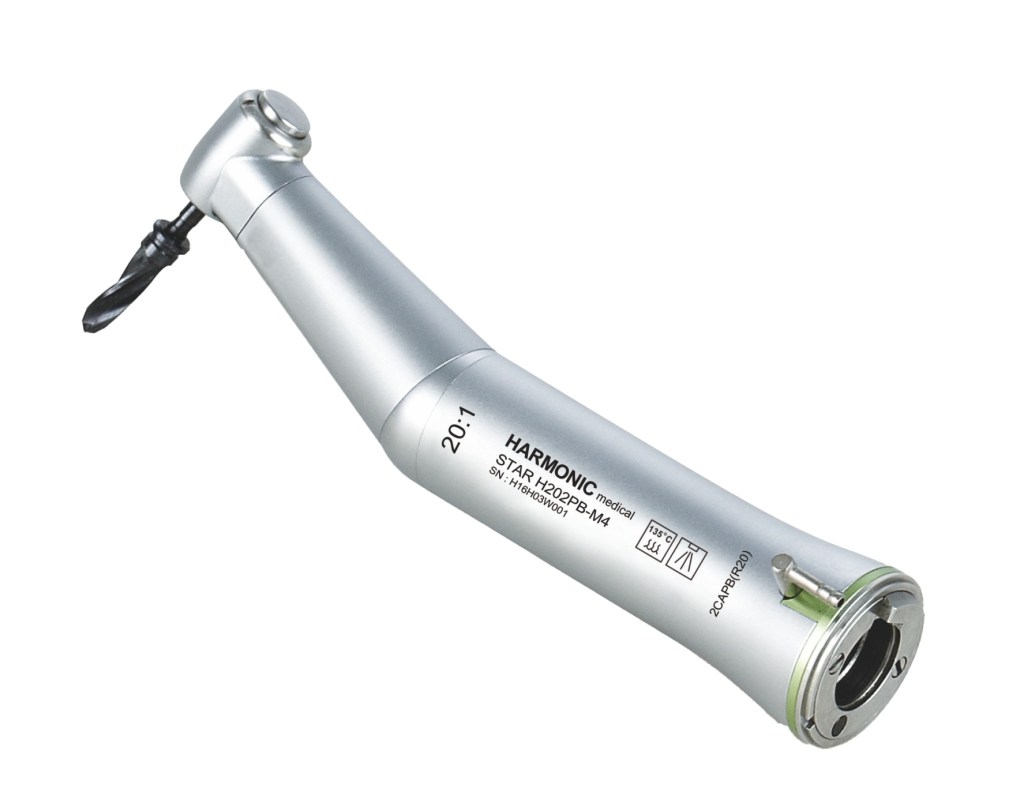
for precise drilling and titanium implant placement. The model supports training in:
- Abutment connection after successful implant placement.
- Soft tissue management, including incision and suturing techniques.
- Final prosthesis bonding, such as securing the crown onto the implant.
These training modules prepare students to perform complex procedures with confidence, significantly reducing the learning curve when transitioning into clinical practice.
Surgical Tooth Extraction
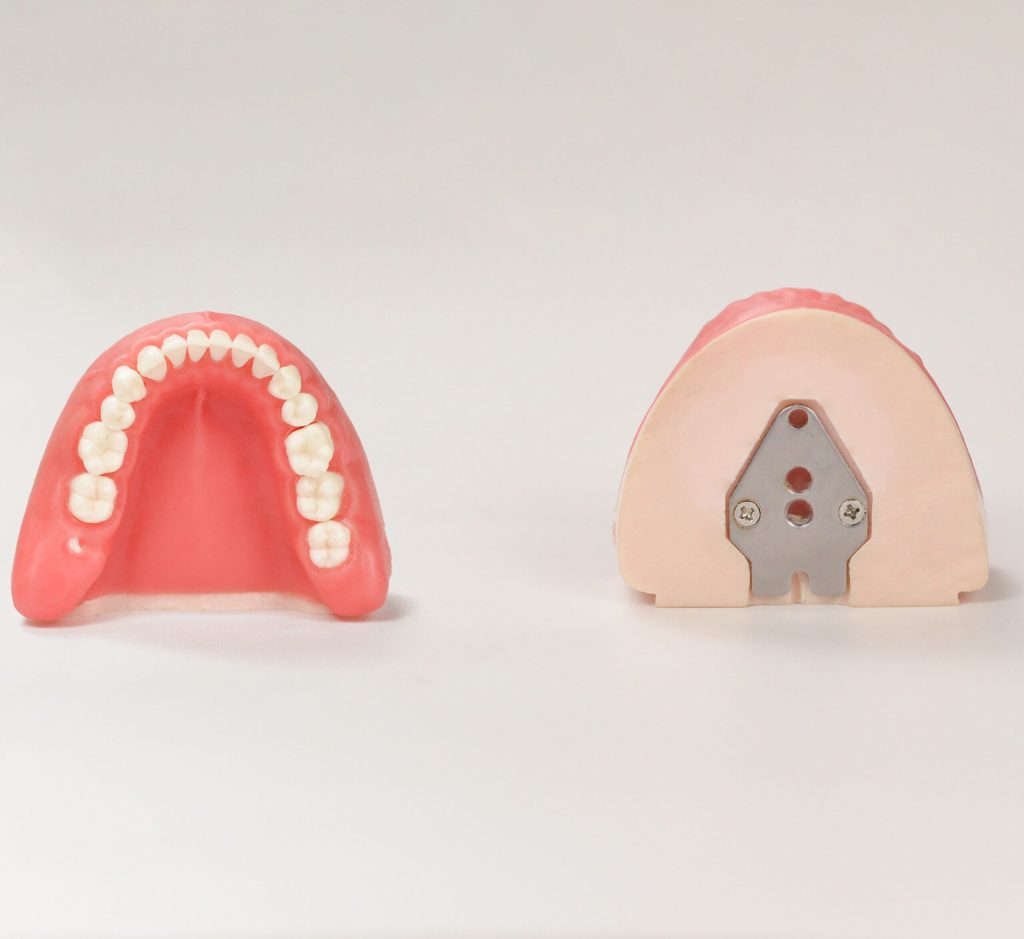
For oral surgery training, the surgical tooth retraction model allows students to become familiar with extraction procedures. This model is designed to replicate the resistance and anatomy of real teeth, enabling trainees to use instruments such as extraction forceps and elevators effectively. Practicing on this model helps students develop the dexterity and tactile feedback necessary for safe and atraumatic tooth removal.
Endodontic Model: Mastering Root Canal Therapy
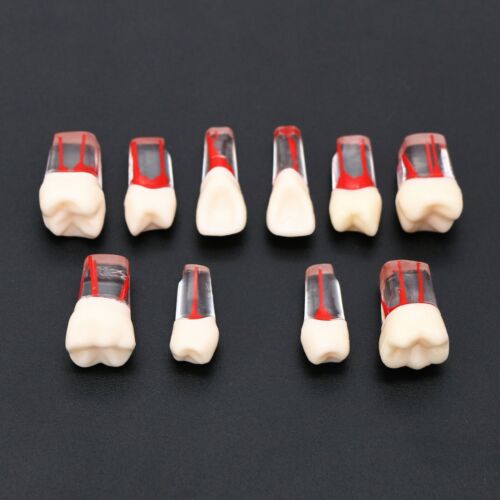
Endodontic procedures are among the most technique-sensitive in dentistry. The endodontic training model equips students to handle a variety of endodontic instruments and technologies. Using an apex locator and endo motor, trainees can practice:
- Pulp removal with precision.
- Cleaning and shaping the canal system efficiently.
- Configuring endo motor settings, including:
- Reciprocating and continuous motion
- Forward and reverse directions
- Torque control settings such as ATC (Adaptive Torque Control)
- Speed adjustments tailored for specific instruments and anatomy
These features help replicate real treatment conditions, allowing students to make informed decisions during the procedure and avoid complications.
Why Dental Models Matter in Education
These training dental models are indispensable in developing technical skills and understanding human oral anatomy. With the ability to simulate various scenarios, from basic restorations to implant placement and endodontic therapy, dental models help bridge the gap between theoretical knowledge and clinical competence.
For dental professionals and students looking for extensive dental model products, this comprehensive reference about dental model products can be a useful source from Dental Lab Shop. The range of models includes everything needed for comprehensive skill development in restorative, surgical, implant, and endodontic disciplines.
Conclusion
Simulation-based training using dental models is transforming dental education. With tools that mimic the feel, appearance, and mechanics of real dental anatomy and procedures, students are better prepared for real-world challenges. Whether practicing with a high-speed handpiece, fine-tuning an implant drill, or mastering root canal shaping, today’s dental students are gaining hands-on experience that was once only possible in a clinical setting. These advances not only improve educational outcomes but also elevate the standard of care provided to future patients.

 patient beds online